
Currently Empty: $0.00

The Science Behind Natural Wax Candles & How to Burn Sculptural Pillars
We use carefully blended beeswax and soy wax for our pillar candles because they are renewable, natural, biodegradable, and perform beautifully with fragrance. Natural waxes burn differently than paraffin, and understanding how they work helps you get the most enjoyment and safety from every candle.
Why Natural Waxes?
Beeswax
- Higher melting point (~145°F)
- Burns longer and cleaner with minimal soot
- Believed to release negative ions that may help purify the air (similar to the fresh feeling after a rainstorm)
- Has a subtle natural honey note that blends well with added fragrances
Soy Wax
- Made from hydrogenated soybean oil
- Lower melting point (~130°F)
- Excellent scent throw — holds and releases fragrance molecules very effectively
- Renewable and biodegradable
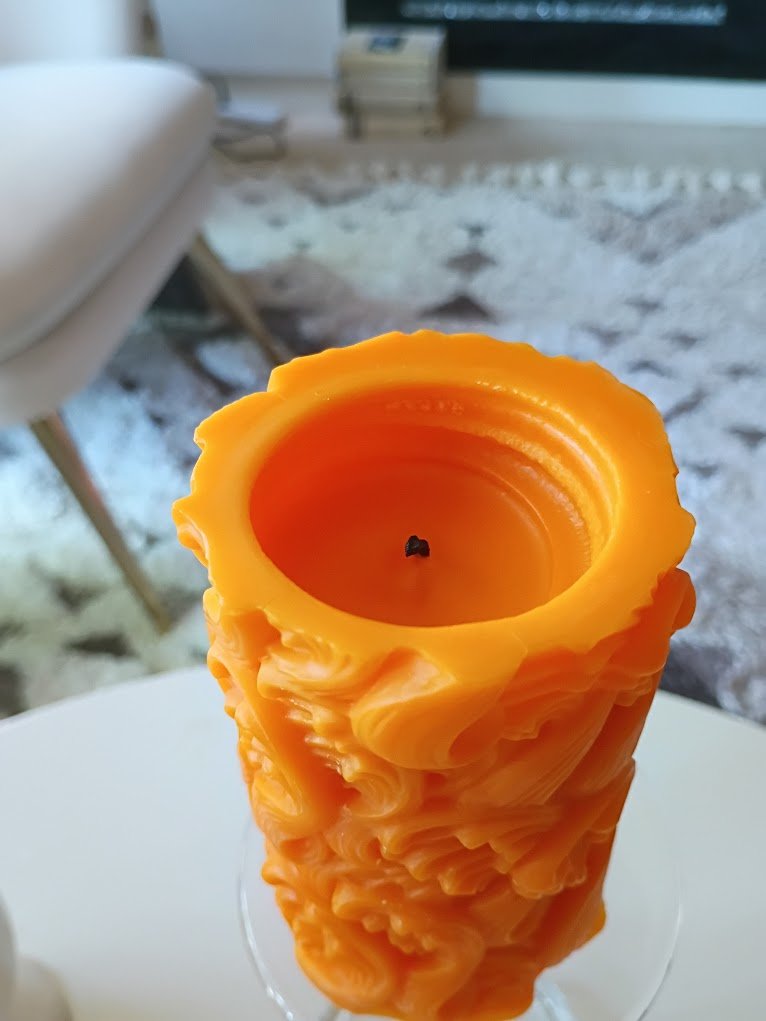
We obsessively test wax blends, fragrance loads (typically 6–8%), and wick types for every design. We use both cotton and hemp wicks: cotton for steady, reliable performance and hemp for lower soot and its own distinct burn character.
The Reality of Burning Sculptural Pillar Candles
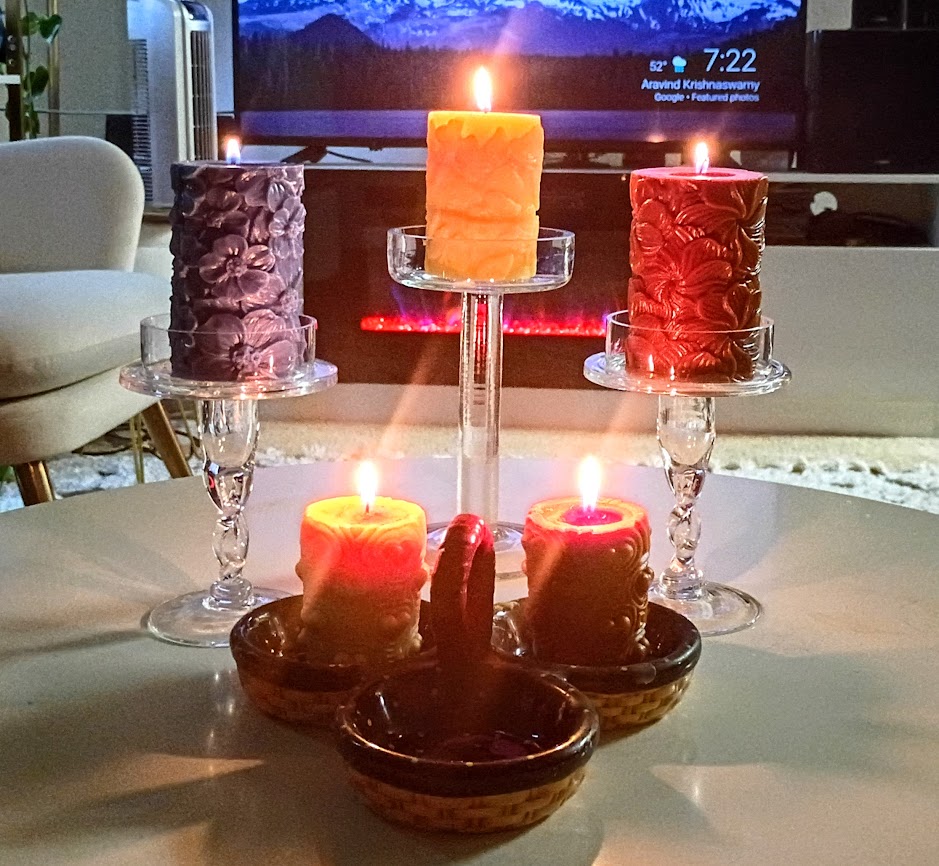
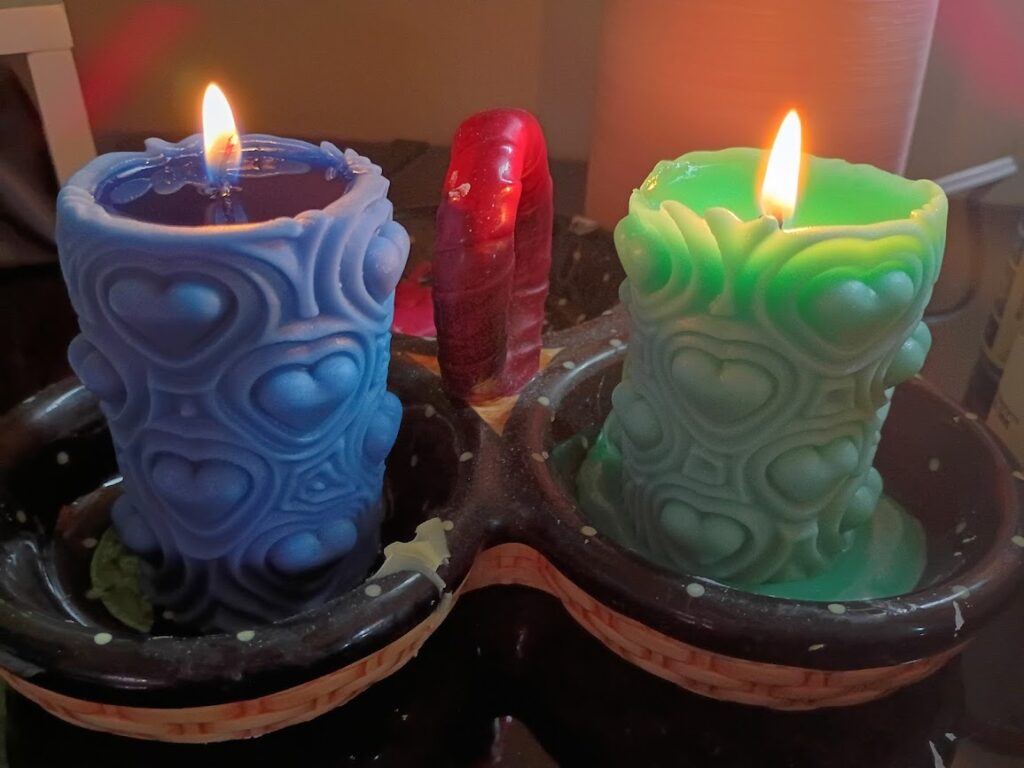
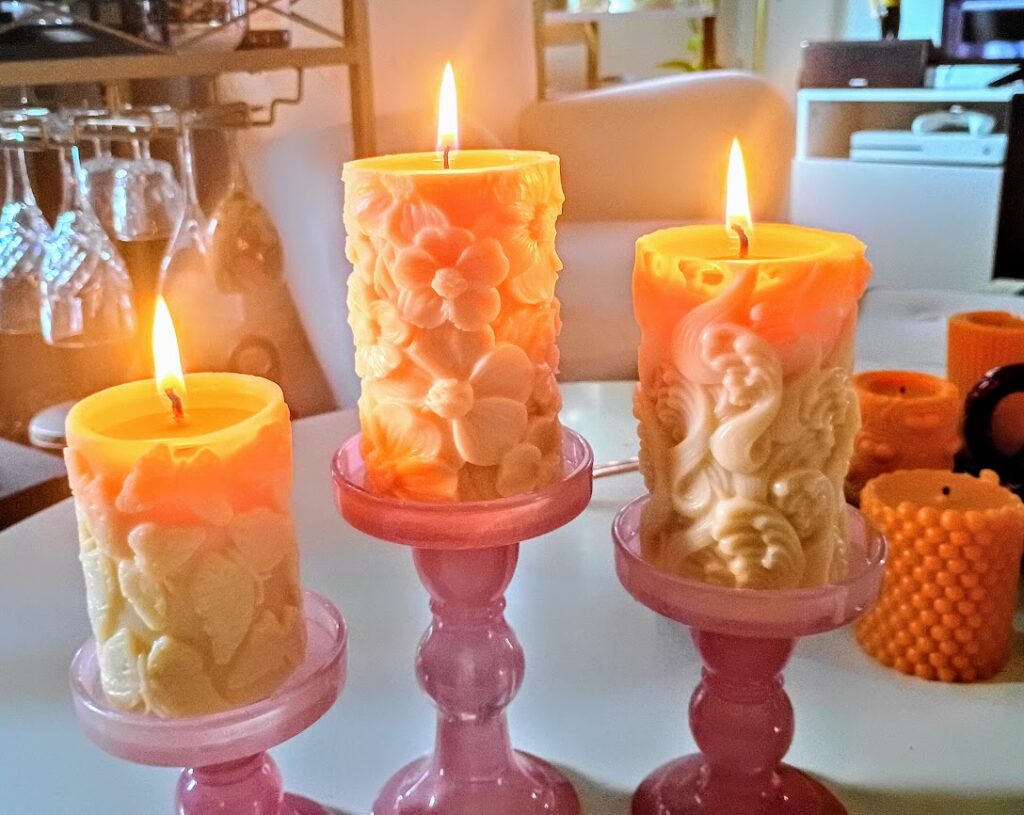
Sculptural and molded candles are beautiful to look at, but that beauty comes with some trade-offs. Unlike smooth, straight-sided pillars, detailed designs have varying wall thicknesses — thin areas melt faster than thick ones. Natural waxes also become quite fluid once molten, so they can flow more easily than paraffin.
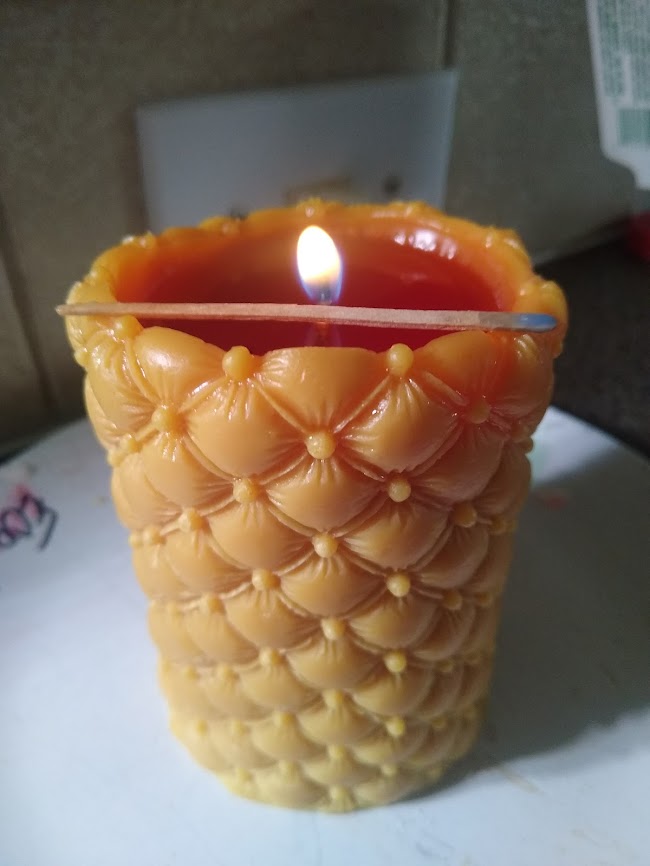
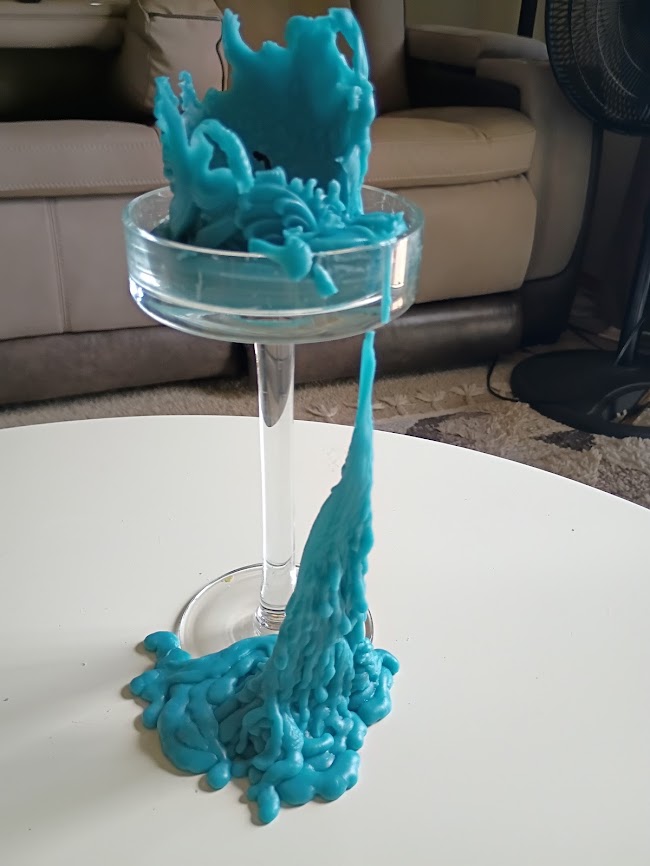
This means chasing a perfectly even burn from top to bottom on highly textured candles is often unrealistic. Thin sculpted sections can sometimes breach, allowing wax to spill. When that happens, the wick can become exposed, draw more fuel, and create a larger flame that melts wax even faster.
We wick-test every single candle design extensively, but real-life burning conditions (session length, room temperature, air currents, etc.) vary. Some candles perform beautifully for many hours, while others may eventually tunnel or spill no matter how carefully they’re made. This is simply the nature of detailed natural wax candles.
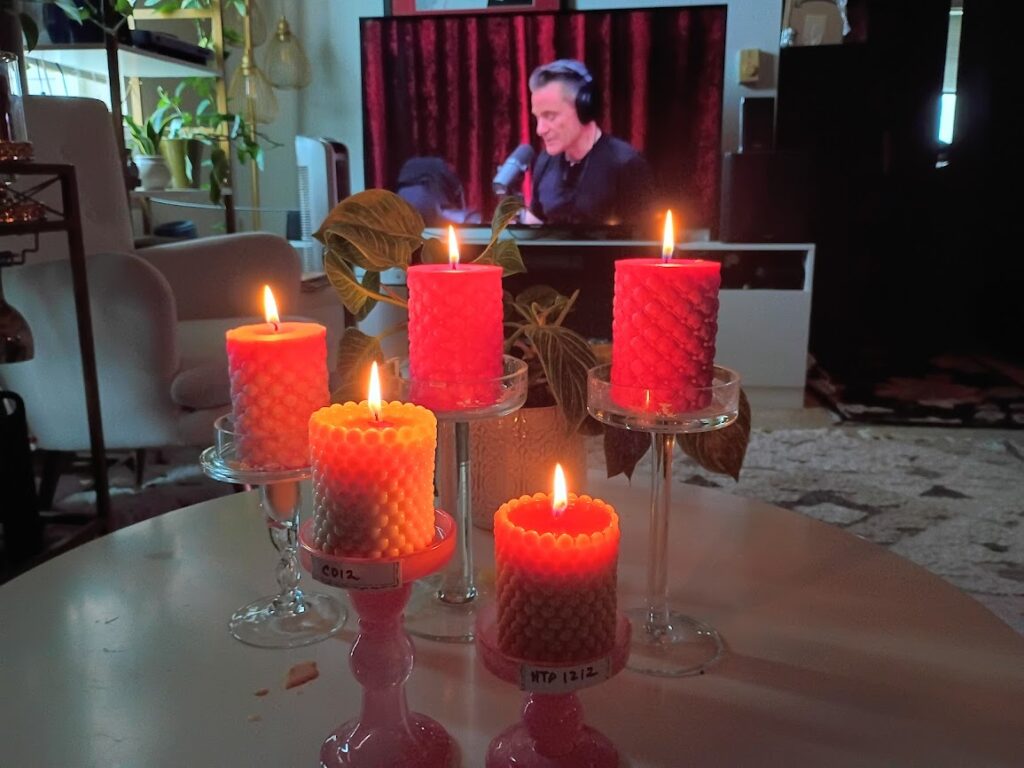
The most difficult part of wick testing is waiting for the candle to cure long enough to get accurate results. Sometimes I lie awake nights wondering if I let a candle cure long enough for a wick test. A week after pouring is a solid cure time for a wick test, and I found that pouring one weekend and testing the next to be the best groove. Often I’ll make a an extra test candle I can burn before cure time, because I’m impatient (I call it “gathering data”). I love to get up with the sun, light candles, and sip coffee while watching the flames dance.
Safe Burning Tips for Best Results
A little knowledge and care go a long way with sculptural candles:
- First Burn Sets the Memory On the very first lighting, allow the wax pool to reach all the way to the edges of the candle (usually 1–2 hours depending on diameter). This helps establish a proper melt pool and reduces tunneling on future burns.
- Trim the Wick Keep the wick trimmed to ¼ inch before every burn. A longer wick produces a bigger flame, more heat, and increases soot or spill risk.
- Choose the Right Spot Place the candle on a flat, heat-safe surface or large catch tray. Keep it away from drafts, vents, fans, or open windows that can cause uneven burning.
- Monitor Closely Sculptural designs with lots of texture or thin details need extra attention, especially during the first few hours. If you notice the wax level rising dangerously near a thin wall, extinguish the candle right away.
- When a Spill Happens Extinguish the flame, let the candle cool completely, and clean up the wax. Many people continue burning the candle safely on a protective tray or inside a larger heat-safe container.
- General Guidelines
- Burn in sessions of 1–3 hours at a time depending on size; smaller candles heat up faster than larger candles
- Never leave a burning candle unattended
- Keep away from children, pets, and flammable materials
- Store unused candles in a cool, dark place
Natural sculptural candles are beautiful, fragrant, and a little unpredictable — that’s part of their charm. With a bit of understanding and mindful burning, they can still provide many lovely hours of light and scent.
Tags: candle tunneling fixCandle WicksBeeswax CandlesPillar Candlessea glass pillar candlessculptural candlesnatural wax candlessculptural pillar candlescandle burning tipsperfect candle burnsoy wax candlescandle sciencehow to burn candlescandle care guideclean burning candleseco friendly candlesPlanck Cube candleNag Champa pillarcandle burn scienceavoiding soot candlesbest wick for pillarsartisanal candles SeattleOceanica Spa Pillar Candlesthe Wax Menagerie molded candlesdolphin candleocean themed candleslimoncello candlesfrench lilac candlesgourmand molded candles
